
Our reviewers evaluate writing courses independently. Learn how we stay transparent, our methodology, and tell us about anything we missed.

Our reviewers evaluate writing courses independently. Learn how we stay transparent, our methodology, and tell us about anything we missed.
According to Glassdoor, the HR analyst salary lies between the $62,000 and $103,000 range.
The salary for HR analysts depends on their technical skills and years of experience within the field. However, many external factors affect the compensation for the role across different industries. Therefore, you should know the numbers to plan and prepare better.
This article reviews the average HR analyst salary statistics and provides a better picture by discussing an area-wise breakdown of compensation figures.
The average HR analyst salary in the United States varies from region to region. Like all other positions, the average base salary depends on the cost of living, company size, industry, and other similar factors.
According to different salary reporting websites, here are some salary estimations and figures for the HR analyst role.
According to Glassdoor, the average full-time HR analyst earns a total pay of $80,000 per year.
An important thing to remember here is that the above figures are just the national average computed using reports obtained from different cities, including New York, San Francisco, Los Angeles, and Washington, DC.
According to the platform, the national average salary for HR analysts is $78,842 annually. Compensation can go up to $116,500.
According to PayScale, the median HR analyst salary in the United States is $65,116. The company also mentions an average base salary of $60,442, bonuses of up to $8,000, and profit-sharing of up to $7,000.
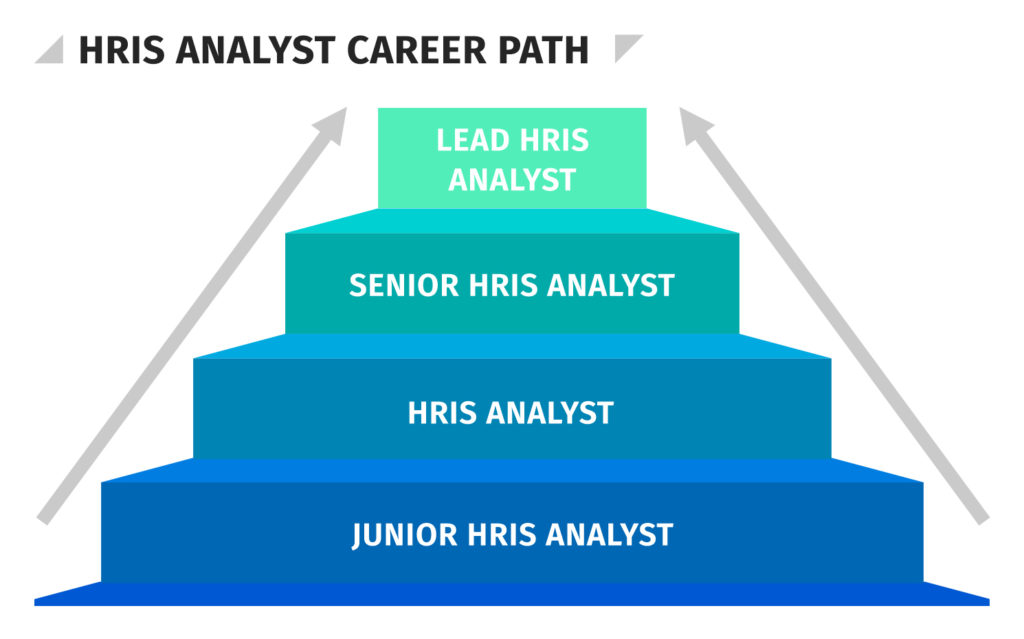
An HR analyst’s salary depends on the skill set, experience, and industry of the individual. Therefore, HR analysts can climb the ladder and gain better compensation by occupying more senior roles. However, such positions come with an increase in responsibilities.
After gaining more expertise and skills, an HR analyst can become a senior HR analyst. Then, with additional years of experience, they become significantly well-versed in human resources functions and can transition to a senior HR manager role. Finally, as they handle more serious duties with higher stakes, they can get promoted to senior lead HR analysts and then to the director of HR role.
Suppose you’re interested in learning more about the human resources field and gaining crucial knowledge necessary for well-paying roles. In that case, you should look into the HR certification courses at HR University.
The average salaries for more senior positions on the HR generalist career path (as per Glassdoor and reported in March 2022) are given below:
This role handles bigger and more technical responsibilities than an average HR analyst. Therefore, it has a higher average annual compensation of $96,173. According to Glassdoor, there are more than three thousand opportunities for a senior HR analyst in the US.
While they may sound similar, this role differs from the senior HR manager role. The senior HR manager is a senior position within the department, but they focus on data handling and analytics. Therefore, they receive an average annual salary of $125,183. According to Glassdoor, there are many vacancies for this role (almost 25 thousand) in the US.
This role involves overseeing a team of HR analysts’ daily tasks while guiding and training new recruitments. Additionally, they make important decisions about the HR department’s technological tools.
A senior lead HR analyst can receive an annual salary of up to $136,689.
The HR analyst role requires crucial analytical skills. However, it also asks for significant knowledge of human resources to apply those skills. Therefore, you should look into the top-notch HR certifications at HR University to gain critical HR knowledge and become a competent HR analyst.

According to ZipRecruiter, these cities offer the most attractive opportunities for HR analysts.
Average annual salaries for HR business partners are as follows:
Average annual salaries for HR business partners are as follows:
Average annual salaries for HR business partners are as follows:
You should at least have a Bachelor’s in computer science, HR administration, or business administration to achieve an HR analyst position. Additionally, an MBA can land you a senior HR analyst role directly.
Since the HR analyst requires considerable analytical and problem-solving skills, one can pursue certifications to prove their skill set. Some top options are given below:
To learn more about the educational requirements for the role, watch below or skip ahead.

According to Glassdoor, here is the annual average HR analyst salary in some of the top firms across different industries.
The right analytical skills, sharp business acumen, and solid human resources knowledge can help you pave the path for a successful HR analyst career. You can then advance to a more senior role and receive handsome compensation for your experience and expertise. However, the final pay depends on many external factors.
Here are the most frequently asked questions about HR Analyst Salary.
A Human Resources Analyst, or an HR Analyst, can expect varying salaries depending on location, experience, and industry. On average, HR Analysts earn between $55,000 and $75,000 annually, but this range can increase with experience or in high-demand markets. The job title may also influence the salary, as different companies might have unique roles’ definitions.
An HR Analyst is responsible for collecting and analyzing data related to employee performance, compensation, and other human resource functions. They support the HR department by identifying trends, providing insights, and making data-driven recommendations to improve overall human resource strategies. HR Analysts also help in verifying compliance with labor laws and internal policies, ensuring that the company remains in alignment with legal requirements.
Yes, HR Analysts can work in many different industries. They typically perform similar duties across jobs, such as analyzing workforce data and developing reports. However, the specific requirements and focus areas can vary depending on the company and industry. For example, HR Analysts in large corporations might be more focused on advanced data analytics, while smaller companies might support broader HR functions.
The HR Analyst job title is often specialized compared to other HR roles. While many human resources jobs focus on recruiting, training, and employee relations, the HR Analyst role is more data-centric. Analysts use data to verify processes, analyze performance metrics, and recommend improvements to HR policies, making their contributions more technical and analytical.
Get the weekly newsletter keeping 30,000+ HR pros in the loop.
Learn modern and relevant technical writing skills

















Get our #1 industry rated weekly technical writing reads newsletter.
Your syllabus has been sent to your email