Our writers write articles independently. Learn how we stay transparent, our methodology, and tell us about anything we missed.

Our writers write articles independently. Learn how we stay transparent, our methodology, and tell us about anything we missed.
I’ve spent a lot of time helping high-growth companies think through org design, compensation, hiring systems, and leadership development. And if there’s one thing I’ve seen repeatedly, it’s how much a great HR executive can influence a company’s trajectory.
Most job description articles don’t reflect that. They feel templated and forgettable. The kind of thing candidates skim and move on from. So I rewrote this page from scratch based on how I’d approach hiring for this role.
An HR executive sits at the center of people strategy and execution. In practice, that means owning everything from recruiting and onboarding to compensation, compliance, HR systems, and leadership support, similar to how responsibilities are broken down in HR executive job description.
Strong job descriptions make the scope obvious up front. They also give candidates clarity on the environment, compensation approach, and hiring process so they can decide if it’s worth their time.
This version works well for startups, scale-ups, and fast-growing teams that need an HR executive who can build structure without creating bureaucracy.
We’re looking for an HR Executive to help us build a high-performing, healthy, and compliant people operation as our company grows. In this role, you will partner with leadership to improve hiring, strengthen employee experience, maintain HR processes, and support managers with the systems they need to lead effectively.
I like this format because it makes the role sound strategic without becoming vague. The right candidate should understand that this is a leadership-oriented role with real influence on culture, retention, and execution.
We are a collaborative, fast-moving company that values ownership, clear communication, and practical problem solving. Our team cares about doing meaningful work, supporting employee well-being, and creating an environment where people can grow with the business.
This role may be based in a hybrid, on-site, or remote environment, depending on the company’s operating model. You should clarify work schedules, expectations for cross-functional collaboration, and any location-specific details so candidates know what kind of environment they are joining.
You’re bridging strategy and execution here, helping turn big-picture people plans into processes that work across the company.
You will help design and improve HR processes that support business growth, workforce planning, and organizational development, much like the frameworks outlined in the strategic HR management. That includes maintaining HR reporting, supporting policy management, improving onboarding, and ensuring internal systems remain organized and scalable.
You will support recruitment efforts, partner with hiring managers, coordinate onboarding, and help improve employee relations across the organization. You will also contribute to training and development programs, employee engagement initiatives, and retention strategies, which are closely tied to best practices covered in employee engagement strategies.
You will help ensure compliance with labor laws, internal policies, and documentation requirements. You may also oversee payroll coordination, benefits administration, employee records, and HR information systems to keep the department running smoothly.
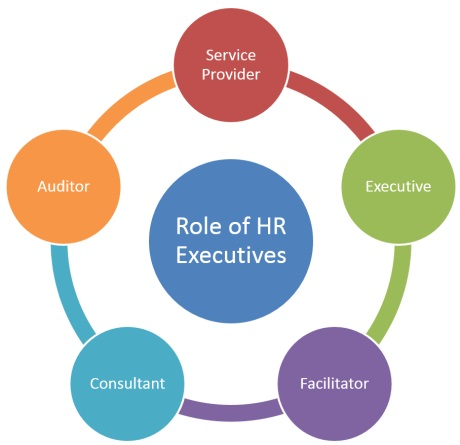
On paper, these are the basics, but in practice, the best candidates bring much more to the way they think, communicate, and handle situations.
Candidates should have a bachelor’s degree in human resources, business administration, or a related field. Most companies should look for at least 5 years of human resources experience, including time in a managerial or high-responsibility role.
Strong knowledge of HR best practices, labor laws, HR management systems, and reporting processes is important for success in this role. Experience with Microsoft Office Suite, HRIS platforms, workforce analytics, and organizational change management is also valuable.
We look for strong communication skills, empathy, sound judgment, discretion, and relationship management ability. The best HR executives are also data-aware and comfortable using workforce metrics such as turnover rates, employee satisfaction scores, recruitment efficiency, and training participation rates to guide their decisions.
Compensation should include a base salary range, along with any performance-based bonuses, profit-sharing, or long-term incentive structure, if applicable. I prefer including salary expectations in the posting because it saves time for both sides and tends to improve candidate trust.
You can also highlight benefits like health coverage, flexible scheduling, paid time off, commuter benefits, tuition reimbursement, flexible spending accounts, wellness programs, and employee recognition initiatives. If you need a general benchmark for adjacent leadership roles, the U.S. Bureau of Labor Statistics overview for human resources managers is a useful starting point.
Candidates should submit a resume and a short cover letter explaining their relevant human resources experience, leadership background, and interest in the role. If professional references are required, say that in the posting rather than surprising candidates late in the process.
A strong hiring process includes an initial recruiter or HR screen, a conversation with the hiring manager, a panel interview, and a final leadership discussion. I also recommend including estimated timelines, scheduling details, and a point of contact for questions so applicants know what to expect from start to finish.
This version is better for businesses where employee experience, staffing consistency, scheduling, and frontline compliance matter every day.
We are seeking an HR Executive to support our people operations across a fast-paced service environment. This role is responsible for recruiting, onboarding, employee relations, policy administration, payroll coordination, benefits support, and assisting managers in maintaining a productive and compliant workplace.
In service-heavy industries, I’d make the job’s operational nature obvious. Candidates should know early that the role requires responsiveness, strong communication, and the ability to support a high-volume workforce without losing the human side of HR.
Our company operates in a team-oriented environment where communication, consistency, and service quality matter. We value respect, accountability, and a workplace culture where employees feel heard, supported, and equipped to do their best work.
This role includes a close partnership with department heads, site leaders, and operations managers. It may involve on-site presence, flexible scheduling, and occasional support outside standard hours depending on business needs.
You’re in the details here every day, helping hiring, employee support, and HR processes run without friction.
Manage job postings, candidate communication, interview coordination, and hiring support for open roles across the business. Partner with department leaders to improve recruitment strategies, shorten time to hire, and maintain staffing levels that support daily operations.
Maintain positive employee communication and help address workplace concerns. Support managers with performance review processes, stay interviews, disciplinary documentation, and employee engagement efforts that improve retention and morale.
Help administer payroll inputs, benefits coordination, onboarding paperwork, offboarding steps, and policy updates. Ensure HR processes comply with labor laws, internal standards, and any industry-specific requirements applicable to the company.
Candidates should have prior human resources experience in a service business, hospitality group, retail organization, healthcare setting, or another fast-paced operating environment. Experience handling employee relations, recruiting, scheduling-sensitive operations, and compliance management is useful.
The ideal candidate is organized, calm under pressure, and able to build trust with both employees and managers. Strong reporting skills, experience with HR systems, and a working knowledge of labor relations issues are also important in this type of role.
The posting should explain whether compensation includes only base salary or also bonuses tied to staffing performance, retention, or operational results. Benefits may include healthcare coverage, paid leave, flexible scheduling, commuter support, staff discounts, and wellness resources.
I’d also mention work-life balance here. If the role has seasonal pressure points, multiple locations, or a complex schedule, it is better to say that up front than to lose a great candidate after interviews.
If you want a broader compensation context, reviewing the HR salary benchmark by SHRM can be helpful.
Applicants should send a resume and a brief cover letter highlighting relevant HR experience, people management exposure, and industry background. Companies can also request references, certifications, or a short skills assessment if those steps are necessary for the role.
The hiring process may include a phone screen, an interview with the department lead, and a final panel interview with senior management. Include estimated response timelines and onboarding expectations so candidates understand how quickly the role is expected to move.
I’d use this version when the role is more strategic and closer to that of an HR director, a VP-level partner, or a senior people operations leader.
We are looking for a Senior HR Executive to lead key people initiatives across the organization and serve as a partner to executive leadership. This role combines strategic planning with strong operational execution across talent acquisition, organizational development, compliance, compensation, employee relations, and leadership support.
For larger companies, I think the best descriptions clarify decision-making authority. High-level candidates want to know whether they are shaping the people strategy or maintaining inherited processes.
We are building a high-accountability organization that values thoughtful leadership, strong communication, and continuous improvement. Our people team plays a central role in aligning talent strategy with business goals, supporting managers, and helping the company navigate growth, change, and evolving workforce needs.
This role may support distributed teams, cross-functional leadership groups, and multi-location operations. It is a good fit for someone who enjoys balancing long-term strategy with practical execution.
A balance of strategic leadership and operational execution is important because it helps translate people’s initiatives into measurable outcomes.
Partner with the executive team on workforce planning, organizational design, succession planning, leadership development, and people strategy. Use workforce analytics and HR reporting to identify issues, improve retention, and support data-driven decisions.
Oversee policy management, HR systems, onboarding processes, performance management, and benefits coordination. Ensure that HR programs are aligned with company values, diversity and equality initiatives, and long-term business goals.
Guide the organization through employee relations matters, policy interpretation, labor law compliance, and operational change. Support leaders during organizational shifts, team restructures, and evolving business requirements with a steady and well-documented approach.
Candidates should have human resources experience, including leadership responsibility across multiple HR functions. A bachelor’s degree is expected, while advanced degrees, certifications, and continuing education in HR or organizational leadership can strengthen a candidate’s profile.
The ideal candidate brings strategic judgment, executive presence, empathy, communication strength, and experience with HR analytics tools and modern HR management systems. They should also be comfortable advising senior leaders, influencing across departments, and translating business priorities into effective people programs.
When it comes to senior leadership, you can consult HR director job description examples for more strategic leadership roles.
This section should be more detailed than most companies make it. For senior HR candidates, I would include the salary range and incentives; you can see the current stats in the HR manager salary data from DATA USA.
You can use this section to reinforce culture. If the company invests in employee recognition, learning opportunities, flexible work, or strong benefits design, this is the place to make that visible.
I’d also review examples of flexible benefits that employers use to improve retention and the employee experience.
Candidates should submit a resume, a cover letter, and any requested references or supporting materials. If the process includes a case study, skills assessment, or leadership presentation, say so and explain the purpose to make the process feel thoughtful rather than burdensome.
Most senior searches will include multiple rounds, such as a recruiter screen, an executive interview, a panel discussion, and a final decision meeting. I’d also include estimated timelines, contact information for candidate questions, and a brief overview of the onboarding process so senior applicants can assess the opportunity with confidence.
The best HR executive job descriptions are clear about scope, authority, and outcomes. Candidates should understand what success looks like, who they will work with, which systems they will own, and how the company approaches compensation, culture, and growth.
I’d also avoid writing these as laundry lists. Strong candidates are trying to understand whether the role is strategic, whether leadership values HR, and whether the company has enough maturity to set them up for success.
If you’re building out the rest of your hiring materials, these resources fit alongside this page:
A good HR executive job description should do more than fill space on a careers page. It should signal what kind of company you are, how seriously you take people leadership, and whether the role has the support it needs to succeed.
That’s why I’d always include responsibilities, qualifications, compensation context, work environment details, and application guidance in one place. The clearer you are, the better your candidate pool gets.
Here I answer the most frequently asked questions about HR executive job description examples.
What does an HR executive do?
An HR executive helps lead a company’s people function. Depending on the business, that can include hiring, employee relations, compliance, policy management, onboarding, compensation support, training, and leadership partnership.
The most important skills are communication, leadership, judgment, empathy, organization, and relationship management. Strong HR executives also understand compliance, HR systems, workforce planning, and how to use data to improve people decisions.
Most employers look for a bachelor’s degree in human resources, business, or a related field, along with several years of relevant HR experience. Certifications, management experience, and knowledge of labor laws or HR systems can make a candidate more competitive.
Yes, I think it should. Including salary range, bonus structure, and core benefits makes the role more transparent and helps attract candidates who are aligned with the opportunity.
Most companies should request a resume and a short cover letter. Some may also ask for references, certifications, or a structured assessment for more senior roles.
Get the weekly newsletter keeping 30,000+ HR pros in the loop.
Learn modern HR management and advance your career.


Get our #1 industry rated weekly technical writing reads newsletter.
Your syllabus has been sent to your email