Our reviewers evaluate writing courses independently. Learn how we stay transparent, our methodology, and tell us about anything we missed.

Our reviewers evaluate writing courses independently. Learn how we stay transparent, our methodology, and tell us about anything we missed.
Looking to know more about the HR scorecard? You’re at the right place then.
HR scorecard is a valuable HR tool that is used by many HR professionals. This article provides detailed guidance on what an HR scorecard is, how to create an HR scorecard, and its benefits. Let’s start.
The HR balanced scorecard is a tool that allows you to track the performance of your human resources team.
HR scorecard provides the HR department with a comprehensive overview of all HR metrics at one glance. It makes it very easy for you to compare departments or even individual employees. And since it’s based on accurate data, it will give you valuable insight into how any department or employee is performing, when compared to management’s strategic goals, objectives, and benchmarks.
So whether you’re looking to assess the overall performance of your HR organization or want to evaluate each department’s performance against its own goal and benchmark, this tool is part of a strategic HR measurement system that can help you make informed decisions about where to allocate more time and resources. It also offers an accurate understanding of the strengths and weaknesses of your department and identifies areas where improvement is most needed.
HR managers and human resource management can use the tool to:
In the best HR practices, this tool is also used to identify individuals who need extra attention. Provide feedback & development opportunities to manage HR activities better. Moreover, it is used to conduct annual reviews to Identify talent gaps.
Human resource Scorecards are available in two formats: Excel-based Scorecards and PDF-based Scorecards. Both versions offer the same functionality. You also have the option to choose between a monthly, quarterly, or yearly update frequency.
If you’re looking to enhance your HR skills and knowledge, check out our top-rated HR certification courses that allow you to advance in your HR career to become a better professional:

For those new to creating HR Scorecards, we’ve provided detailed step-by-step instructions below.
Depending on which format you’d like to use, they may vary on a lighter note, but they follow these general steps:
Goals may differ depending on what type of HR scorecard you’re using. However, these goals must reflect company strategy and core business values.
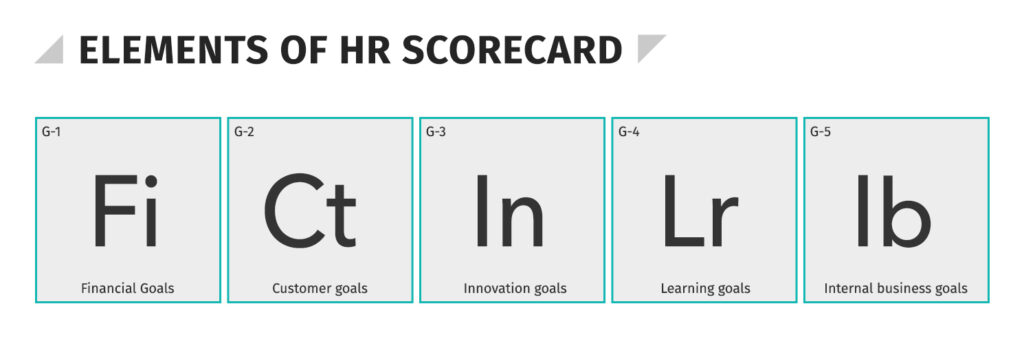
For example, suppose your company has adopted lean principles as part of its transformation efforts. In that case, you could use the following HR deliverables and goals for your scorecard:
Once you’ve defined your goals, it’s important to benchmark your department against them. The benchmarks must be specific and measurable. They shouldn’t refer to “best practices” or “industry standards.” Instead, they should be quantifiable measures that highlight vital results. For example, you would define six benchmarks to achieve a 10% reduction in cost per unit sold over the next 12 months. These might include: Achieving $5,000 savings over last year through improved quality and reduced waste Eliminating overtime hours for specific staff members Improving delivery times for outside and human resource customers from five days to three days.
Once you’ve defined goals, objectives, and benchmarks, it’s time to start collecting data. For this, you could use any spreadsheet tool such as Microsoft Excel, Google Sheets, or Apache OpenOffice Calc. In most cases, your HR team will need to input all relevant data into the scorecard to ensure accuracy. For best results, prepare a draft first. This way, you can check for errors before entering the final version. It’s also easier to correct mistakes at this stage.
If you want to know how to set up each section of your HR Scorecard, follow these simple instructions below:
For some organizations, an effective strategy includes aligning their employee management system. EIS is a central repository where all information about employees — including payroll, attendance records, leave requests, etc. — is stored. In simple words, we can say that it’s like your personal database. But there’s no point in having an excellent EIS unless it supports your organizational goals. Therefore, design the systems so they are in sync with each other and are easy to utilize. You can try implementing the following steps to help you align your EIS:
HR analytics refers to tools used to calculate statistics. The idea behind this decision is to give managers insight without giving away too many personal privacy details at the same time.
Once you’ve decided what access people will have to data, you can upload current personnel files. Remember, though, that HR professionals must review all contents before they’re made available to anyone else. To do it in an efficient way, you should do the following:
That being said, when you create a report, you can set different levels of detail so that everyone gets what he needs. If you’re struggling with this step, check out our guide on standardized reporting in HR systems.
Integration is another crucial element of modern business technology in HR functions. Unfortunately, it hasn’t always been straightforward to establish connections between HR tools and external applications. Today, however, integrating HR solutions is almost effortless. It means that your entire team can stay connected with critical information from outside sources.
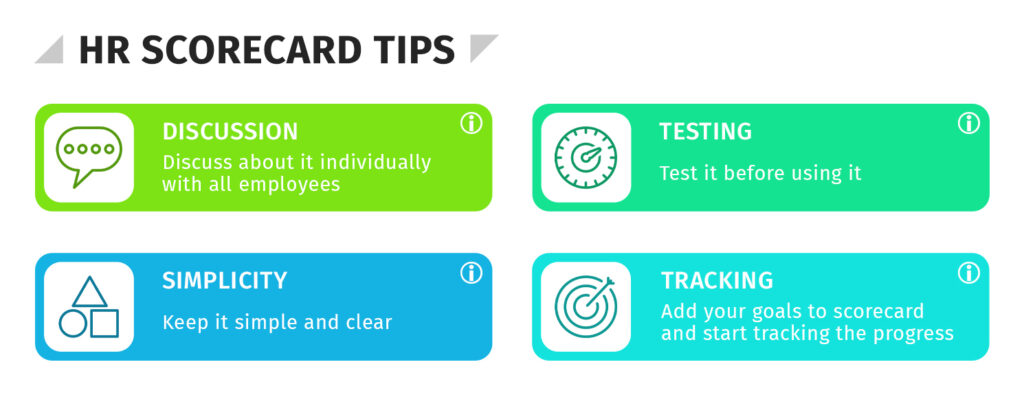
For instance, if you belong to an industry that relies on CRM, you can add integrated data from your HR platform into the CRM without entering data by hand. Another advantage of integrating data from multiple tools is that your managers won’t miss essential information. They’ll get alerts whenever a new lead comes into play and gain valuable insights right away. As a result, they can optimize their decisions in accordance with that.
Big Data is one of the hottest trends in today’s tech market. After all, it allows companies to store large amounts of unstructured data. However, big data analytics isn’t just about storing data; rather, it represents analyzing it. That’s why businesses are turning to data scientists to help identify correlations between various factors and ensure optimal performance.
A well-designed system can generate meaningful results within minutes but requires a lot of manual entry work. On the other hand, a poorly designed system can create hundreds of false positives after several hours. It’s worth noting that not every employee in the office is equipped for extensive data analysis. Instead, choose those who specialize in specific areas to perform this task. When the human resources management team is looking for qualified candidates, they should keep in mind that experience is more important than skills.
When we talk about the HR function and HR solutions, it doesn’t mean that there aren’t any viable alternatives. Indeed, there are plenty of platforms with comparable features. The problem is that most organizations find themselves using outdated software because it was the first to come along when they embarked on the best HR initiatives and practices.
HR scorecard is a report that you conduct to calculate the success rate of human resource employees and the overall department. Any HR professional looking to judge and assess the business performance and productivity rate can start making use of this report to get valuable insights into the work progress.
Get the weekly newsletter keeping 30,000+ HR pros in the loop.
Learn HR metrics and advance your career.

















Get our #1 industry rated weekly technical writing reads newsletter.
Your syllabus has been sent to your email