Our writers write articles independently. Learn how we stay transparent, our methodology, and tell us about anything we missed.

Home › HR Career Path ›
Our writers write articles independently. Learn how we stay transparent, our methodology, and tell us about anything we missed.
I’ve worked with benefits coordinators at three different companies, and the role never looks the same twice. At a 60-person startup, the benefits coordinator was the entire HR back office. She handled enrollment, claims disputes, FMLA paperwork, and vendor negotiations. At a 300-person company, the coordinator focused on health and retirement benefits while other team members handled leave management.
What stays consistent is this: the benefits coordinator is the person employees call first when something goes wrong with their coverage. A denied claim, a payroll deduction that looks wrong, a new hire who needs coverage before their start date. That role demands a mix of administrative precision and empathy that’s hard to find.
This guide breaks down what benefits coordinators do day to day, the responsibilities employers expect, and how the role looks at different company sizes.
A benefits coordinator assists human resources personnel in managing employee benefits programs. They serve as the first point of contact for employees with questions about health insurance, retirement savings, paid leave, and other company-provided benefits.
The role sits within the HR department but requires coordination with external vendors: insurance carriers, retirement plan administrators, wellness program providers, and payroll teams. Benefits coordinators are common across industries, including healthcare, manufacturing, technology, finance, and government.
In organizations with dedicated benefits specialists, the coordinator handles day-to-day administration while the specialist focuses on plan design, vendor selection, and cost analysis. In smaller companies, these roles merge. The coordinator does everything from negotiating renewal rates to explaining deductible structures to new hires during orientation.
The role demands strong communication skills because the benefits language is confusing. Copays, coinsurance, out-of-pocket maximums, vesting schedules, and COBRA eligibility. Most employees don’t understand these terms, and the benefits coordinator has to translate complex plan documents into plain language without oversimplifying the details.
The specific duties vary based on company size and industry, but every benefits coordinator I’ve worked with handles these core areas. Understanding each one matters whether you’re hiring for this role or preparing to step into it.
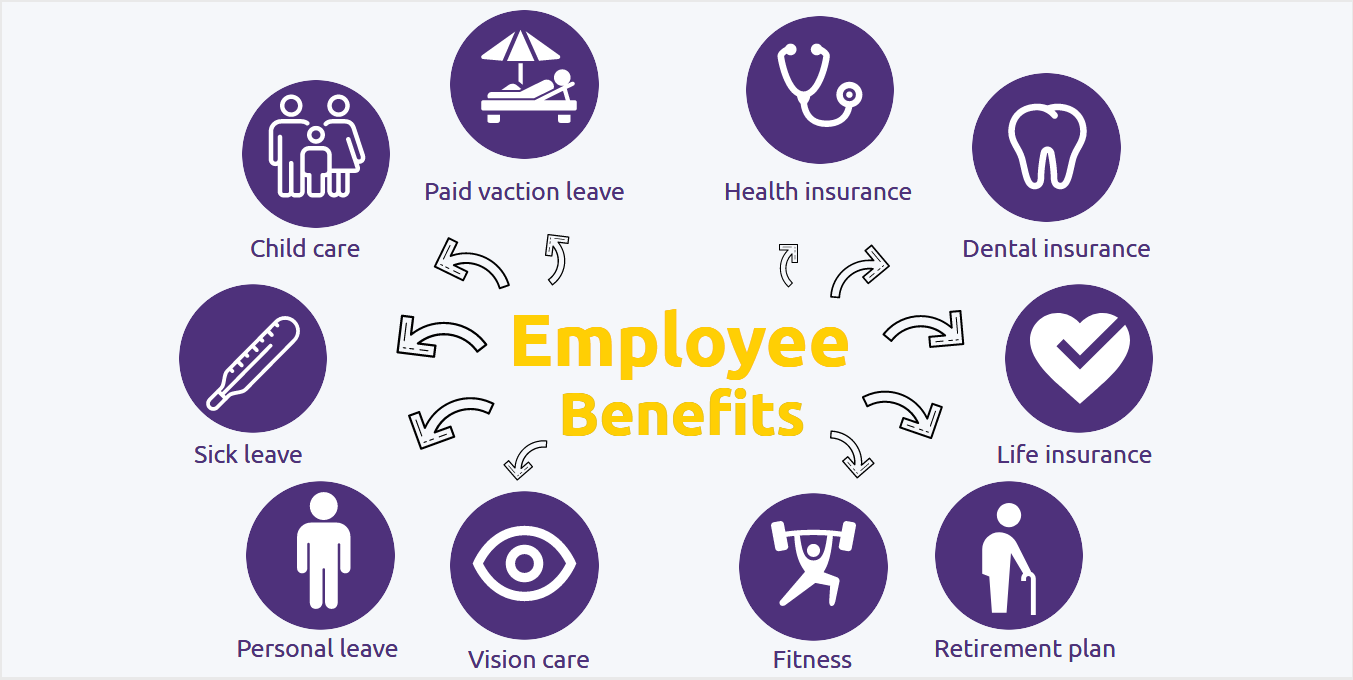
Health plans are the most visible and most complex benefit a company offers. Benefits coordinators manage the entire lifecycle: new hire enrollment, annual open enrollment, qualifying life events (marriage, birth, divorce), and termination processing.
This means staying current on plan details. The coordinator needs to know the difference between the company’s HMO and PPO options, what’s covered under each tier, and how employee premiums are calculated. When an employee asks whether their specialist visit is covered, the coordinator should be able to answer without having to check the policy document every time.
During open enrollment, the workload multiplies. The coordinator creates comparison materials, schedules information sessions, processes hundreds of elections, and resolves enrollment errors before payroll deadlines. One coordinator I worked with built an FAQ document based on the previous year’s most common questions, which cut her enrollment-related email volume by 40%.
Benefits coordinators handle employee questions about 401(k) plans, 403(b) plans, stock purchase programs, and other retirement savings vehicles. This includes explaining contribution limits, employer matching schedules, vesting timelines, and investment options.
The administrative side involves coordinating with payroll to ensure accurate contribution deductions, processing enrollment changes, and managing rollovers for departing employees. Coordinators also work with plan administrators during annual compliance testing and audits.
New employees need the most guidance here. Many younger workers have never set up a retirement contribution before. A good coordinator explains the basics without making assumptions about what someone already knows. That means walking through the enrollment process, explaining what employer match means, and showing how different contribution levels affect take-home pay.
The Family and Medical Leave Act provides eligible employees up to 12 weeks of unpaid, job-protected leave for qualifying medical and family reasons. Benefits coordinators manage the paperwork, track eligibility, and coordinate with managers on coverage planning.
This is one of the most sensitive parts of the role. Employees requesting FMLA leave are dealing with serious health conditions, caring for a sick family member, or adjusting to a new child. The coordinator needs to handle these situations with discretion and empathy while still collecting the required medical certification and tracking the use of intermittent leave.
State-specific leave laws add complexity. Companies operating in California, New York, Massachusetts, and other states with paid family leave programs need coordinators who understand both federal FMLA requirements and state-level benefits. According to the U.S. Department of Labor, employers covered by FMLA must maintain group health insurance for employees on approved leave under the same terms as if they had continued working.
Accurate record-keeping is foundational. Benefits coordinators maintain enrollment data in the company’s HRIS or benefits administration platform (e.g., BambooHR, Workday, ADP, Gusto), process status changes, and verify that payroll deductions match plan elections.
This also includes compliance documentation. HIPAA privacy requirements, ACA reporting (for applicable large employers), COBRA administration for separated employees, and state-mandated benefit notices all fall under the coordinator’s scope.
The monthly reconciliation process is critical. Coordinators compare carrier invoices against enrollment records to catch discrepancies: employees who were terminated but still show as active on the insurance, premium amounts that don’t match payroll deductions, or dependents who aged out of coverage. These errors cost money if they go unnoticed.
Benefits coordinators are the bridge between the company and its benefit providers. When an employee’s claim is denied or a provider bills incorrectly, the coordinator contacts the carrier to resolve it. When the company needs updated plan documents or compliance certificates, the coordinator manages that request.
During renewal season, coordinators compile utilization data, coordinate with brokers, and prepare comparison analyses for leadership review. In some organizations, the coordinator attends renewal meetings and contributes to plan design decisions.
Internal communication is equally important. Coordinators create benefits summaries for new hires, draft open enrollment announcements, maintain the benefits section of the company intranet or handbook, and respond to employee inquiries daily. Strong writing skills matter here because unclear communication of benefits creates confusion and increases the coordinator’s workload.

If you’re building toward this role, strengthening your HR coordinator skills in benefits-specific areas will make you a stronger candidate.
According to the Bureau of Labor Statistics, compensation, benefits, and job analysis specialists earned a median annual wage of $77,020 as of May 2024. Entry-level benefits coordinators start between $40,000 and $50,000, with experienced coordinators in major metropolitan areas earning $55,000 to $70,000.
The career trajectory from benefits coordinator moves in one of two directions. Some coordinators deepen their specialization and move into benefits specialist or benefits analyst roles, becoming benefits managers who oversee plan design and vendor strategy. Others broaden their scope and transition into HR generalist or HR manager positions.

Certifications that strengthen a benefits coordinator’s profile include the SHRM-CP, PHR, and the Certified Employee Benefits Specialist (CEBS) designation from the International Foundation of Employee Benefit Plans. The CEBS is valued in benefits roles for its in-depth coverage of plan design, compliance, and financial management.
At companies with fewer than 100 employees, the benefits coordinator wears multiple hats. They might also handle payroll, onboarding, general HR inquiries, and office administration. The benefits portfolio is simpler (one or two health plan options, a basic 401(k)), but the coordinator manages everything end-to-end with minimal support.
At mid-size companies (100 to 500 employees), the role becomes more specialized. The coordinator focuses on benefits administration while other HR team members handle recruiting, employee relations, and compliance. The benefits portfolio is more complex: multiple health plan tiers, dental, vision, life insurance, disability, FSA/HSA options, and wellness programs.

At large companies (500+ employees), benefits coordinators are part of a dedicated benefits team. Each coordinator may specialize in a specific area: one handles health and dental, another manages retirement and financial wellness, and a third focuses on leave administration. The volume is higher, but the scope per person is narrower.
Regardless of company size, the fundamental expectation remains the same: employees should be able to get accurate answers about their benefits from someone who understands both the plan details and the human context behind their questions.
The benefits coordinator role is one of the most impactful positions in any HR department. Every employee interacts with their benefits. When enrollment runs smoothly, claims get resolved quickly, and leave paperwork doesn’t get lost, the coordinator is the reason. When those things break down, the coordinator is the first person who hears about it.
If you’re considering this career path, focus on building both the technical skills (HRIS platforms, compliance knowledge, data analysis) and the human skills (clear communication, empathy, discretion). The organizations that value their benefits coordinators most are those where employees trust HR, and that trust starts with the person who answers the phone when someone’s insurance claim is denied.
Here I answer the most frequently asked questions about the benefits coordinator role.
A benefits coordinator manages employee benefits programs, including health insurance, retirement plans, and leave administration. They handle enrollment, answer employee questions, coordinate with insurance carriers and plan administrators, and maintain compliance with federal and state regulations.
Main skills include HRIS proficiency, knowledge of benefits regulations (FMLA, ACA, COBRA, HIPAA), analytical ability for data reconciliation, strong written and verbal communication, confidentiality management, and organizational skills to handle multiple programs simultaneously.
Most benefits coordinators start in entry-level HR or administrative roles and move into benefits-focused positions. A bachelor’s degree in HR, business, or a related field is typical. Certifications like SHRM-CP, PHR, or CEBS strengthen your candidacy. Direct experience with HRIS platforms and benefits enrollment processes is valued.
A benefits coordinator handles day-to-day administration: enrollment processing, employee inquiries, vendor communication, and record-keeping. A benefits manager focuses on strategic decisions: plan design, cost analysis, vendor selection, budget management, and policy development. In smaller companies, these roles overlap.
Entry-level benefits coordinators earn $40,000 to $50,000 annually. Mid-career coordinators in major metro areas earn $55,000 to $70,000.
Common challenges include managing complex regulatory requirements across multiple states, handling high volumes of employee questions during open enrollment, resolving disputed claims with insurance carriers, keeping up with annual plan changes, and balancing administrative precision with employee empathy.
Learn the fundamentals and advance your career.
Your syllabus has been sent to your email